Apa yang anda cari?

syarikat diasaskan

pekerja syarikat

perolehan tahunan syarikat (m)

negara kerjasama
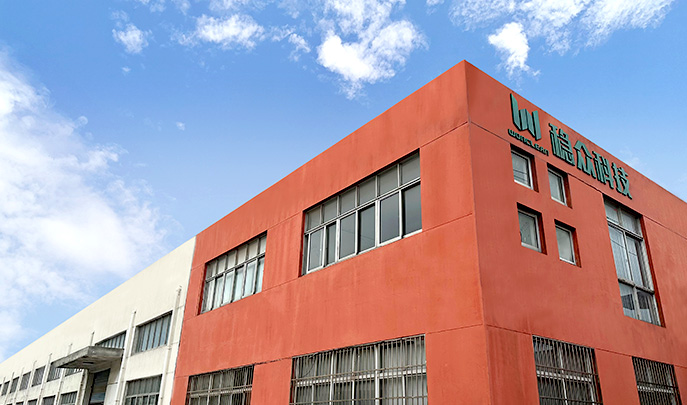
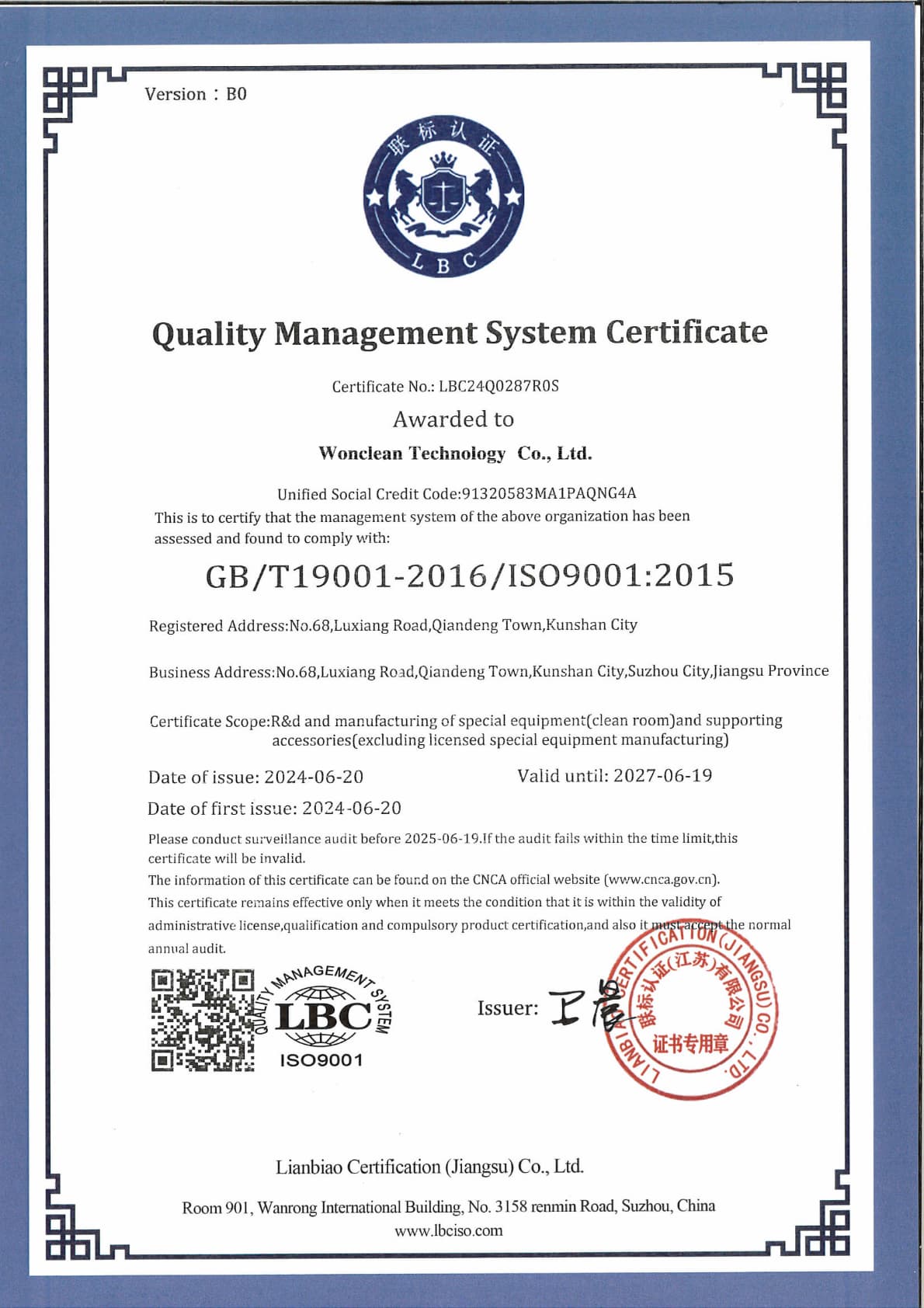
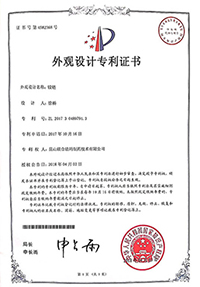
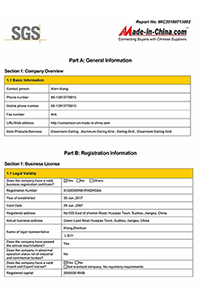
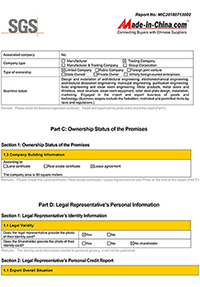
 WONCLEAN COMPANY LIMITED
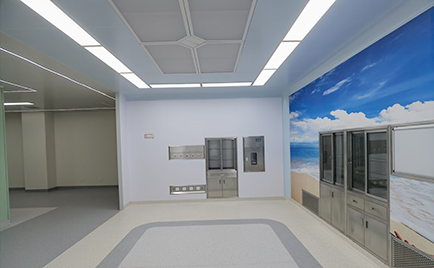
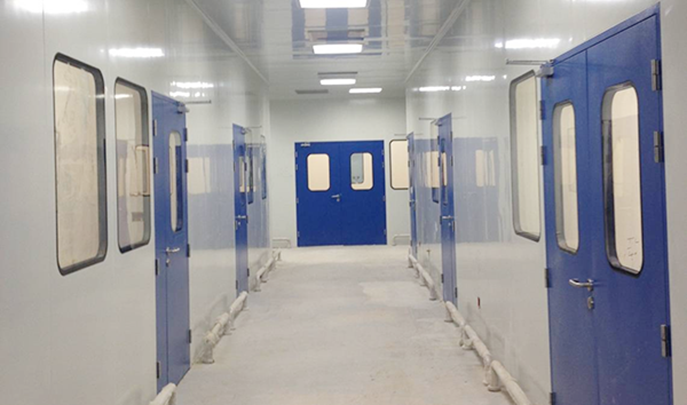
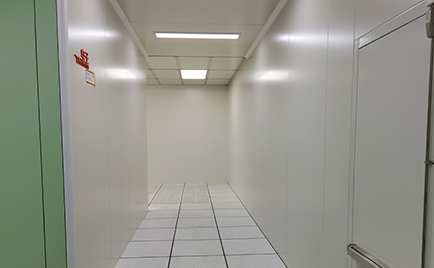
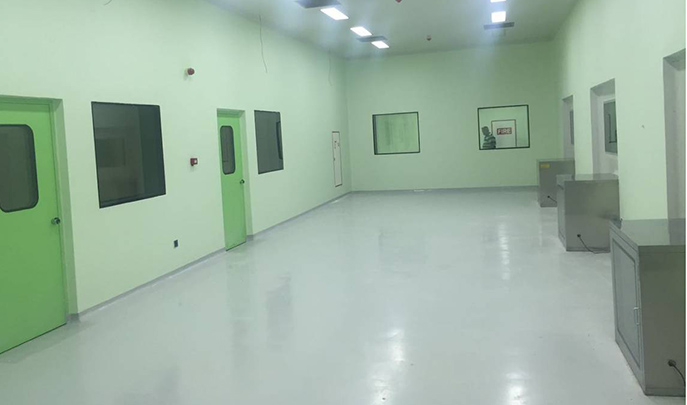
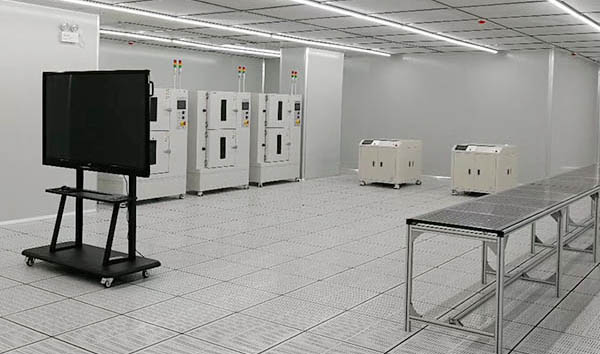
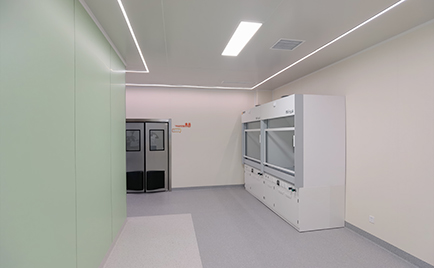
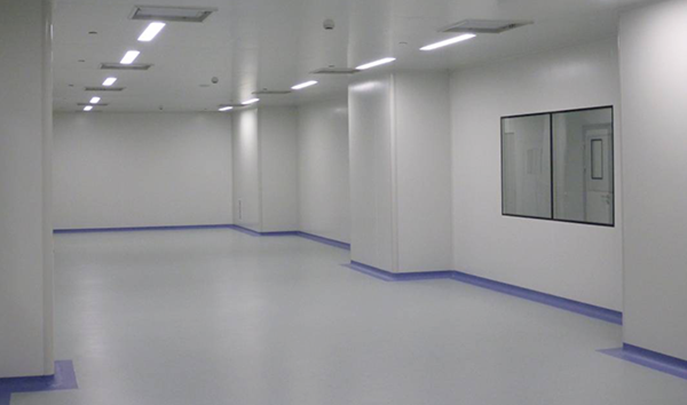
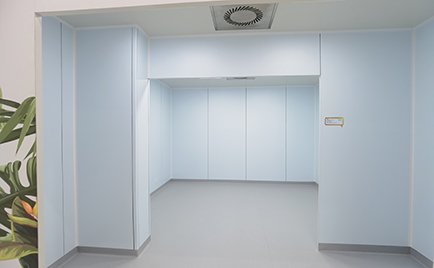
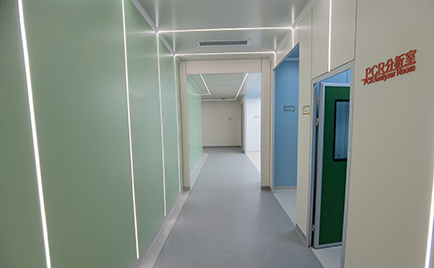
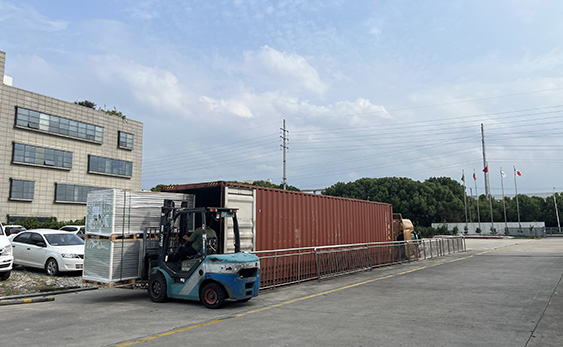
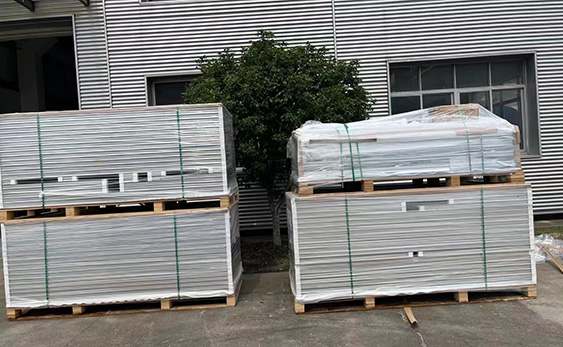
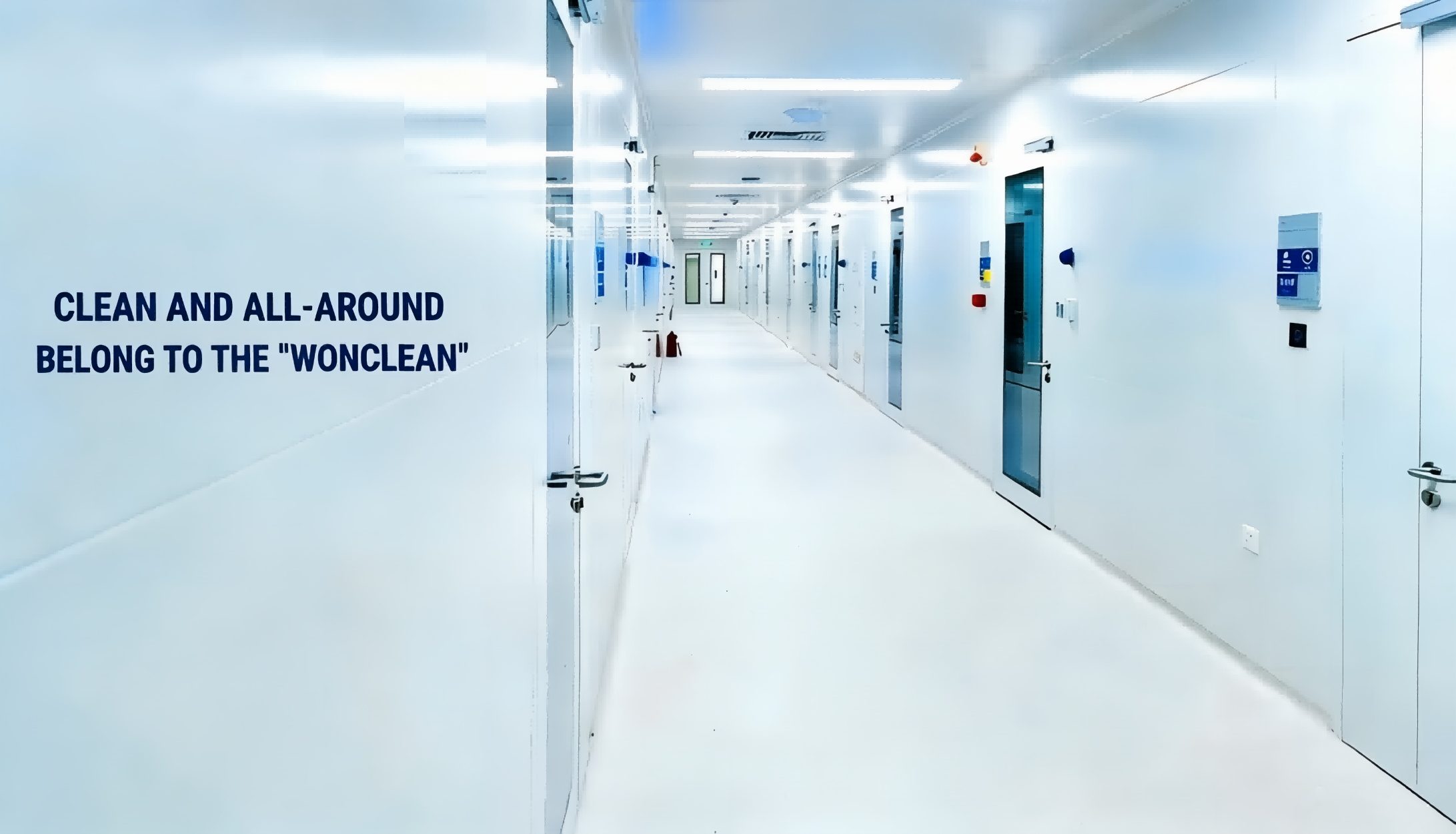
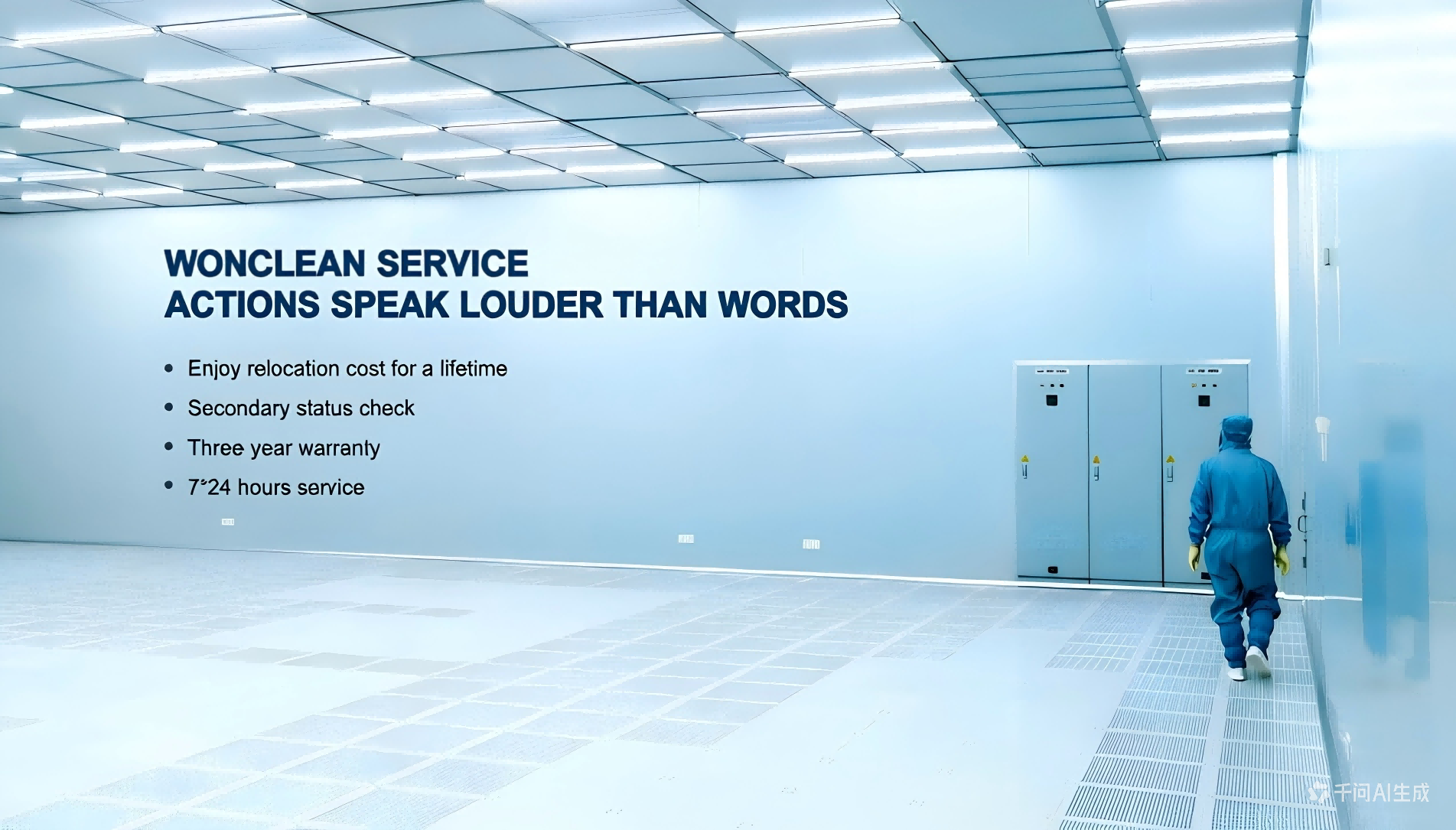
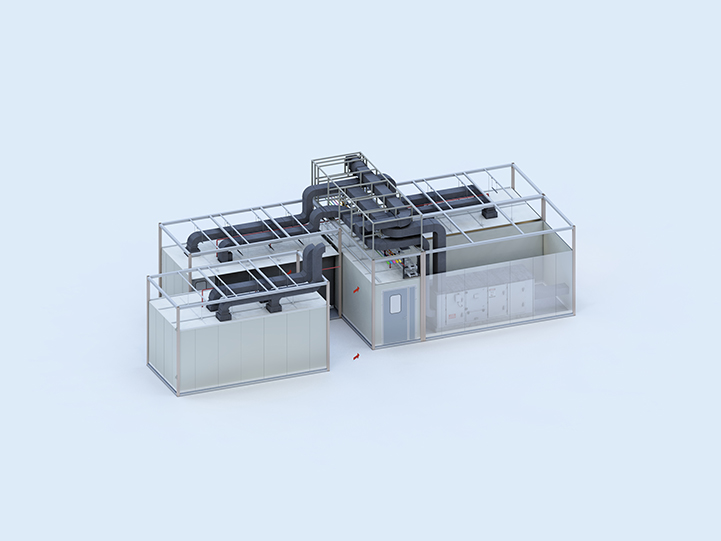
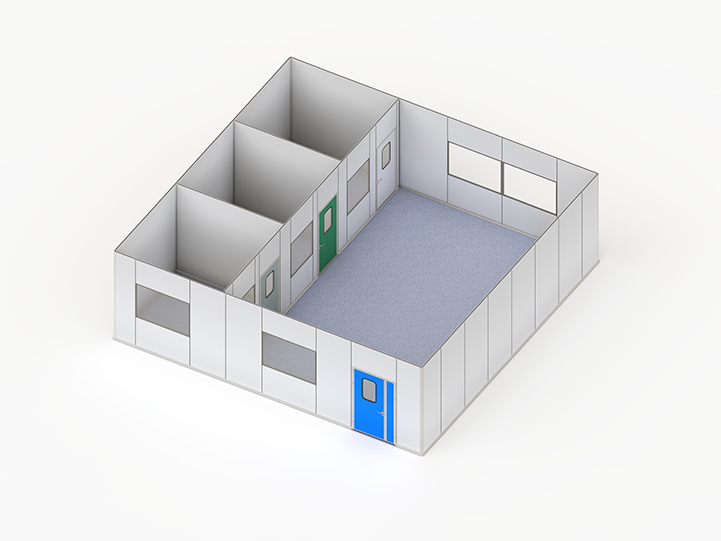
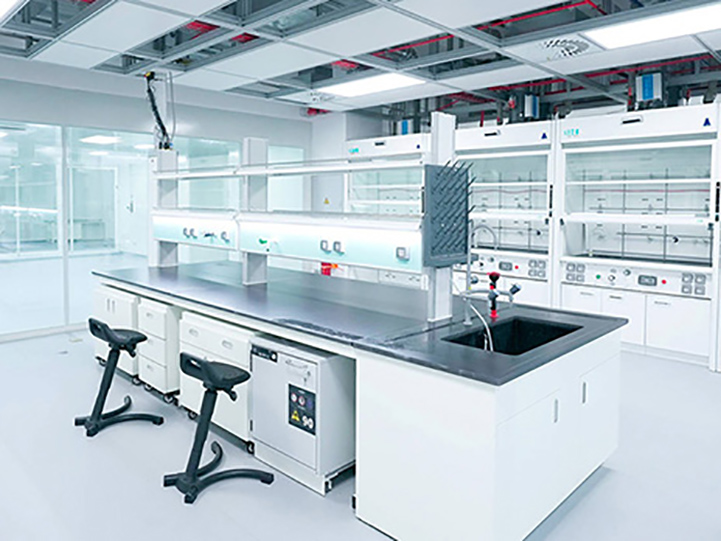
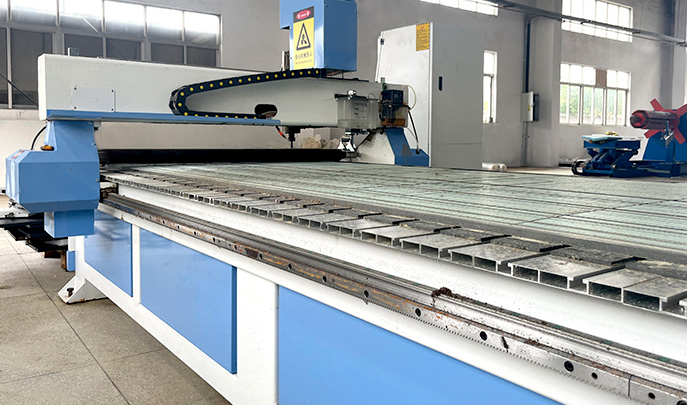
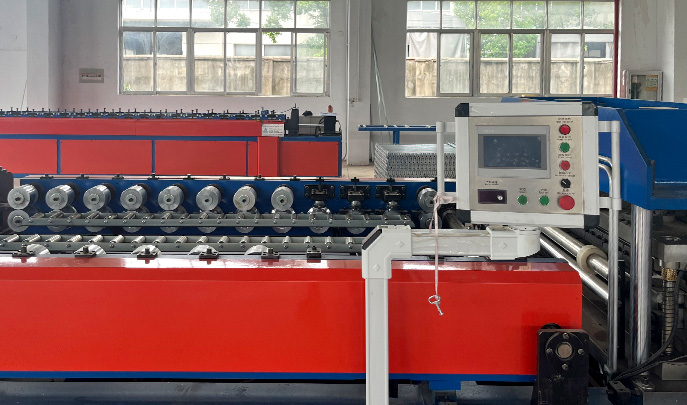
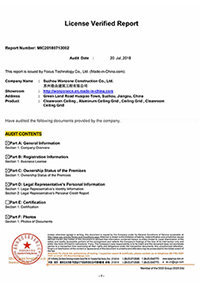
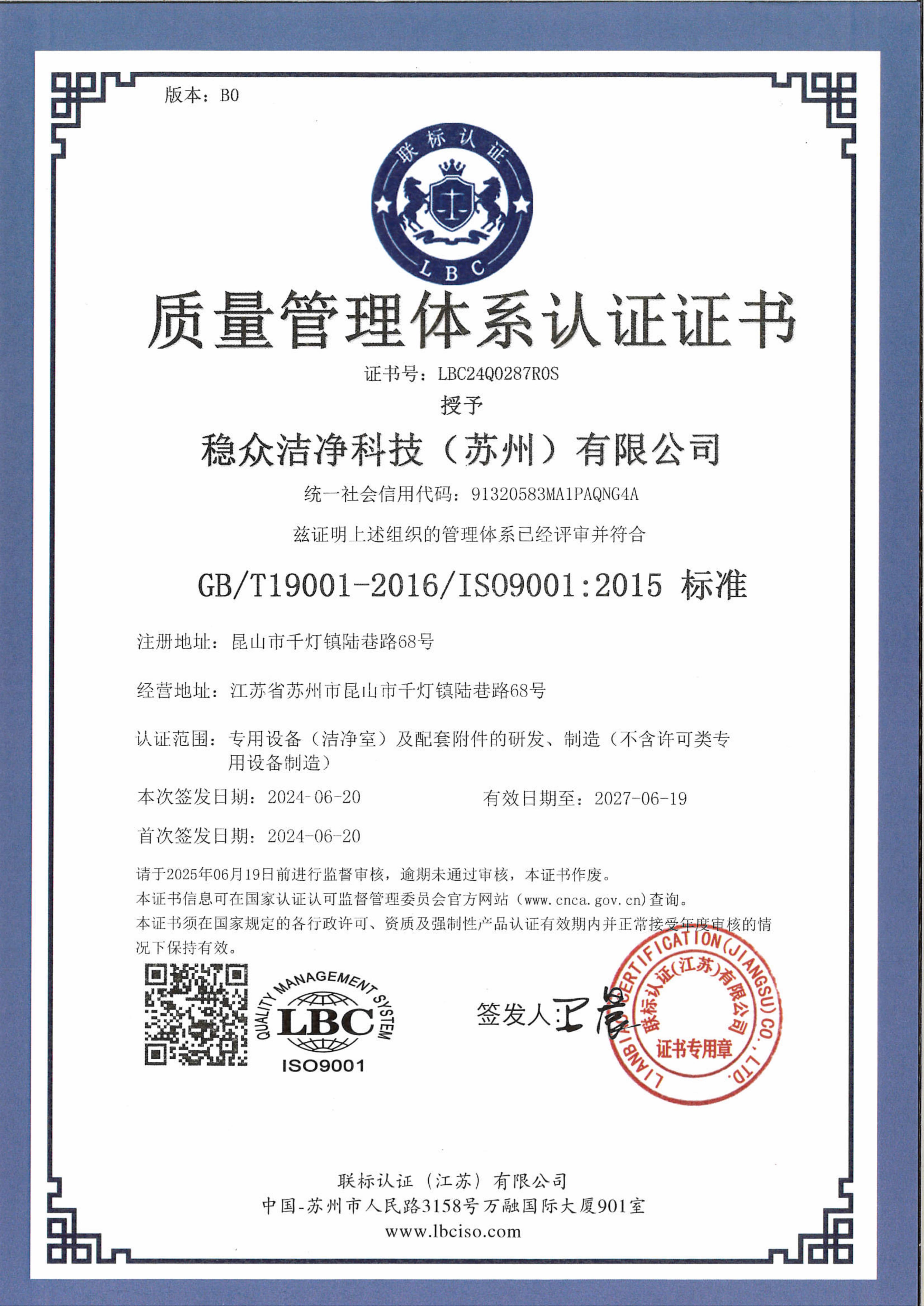
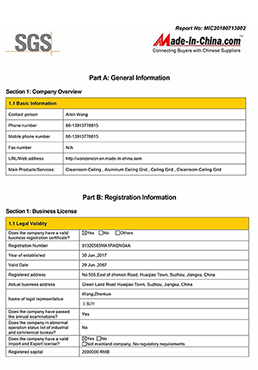
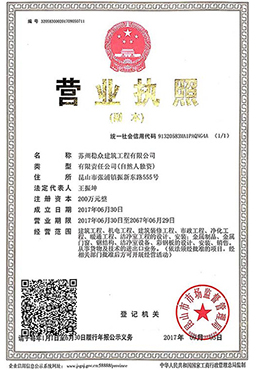
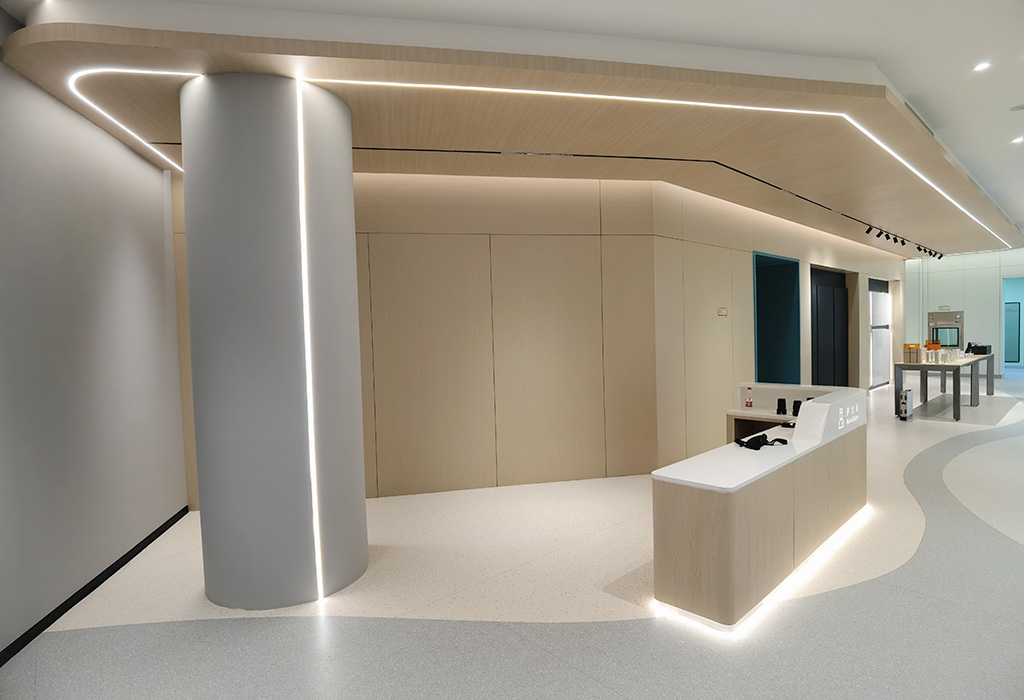
Kilang kami terletak di Kunshan, Jiangsu, China. Ia adalah fokus kilang kejuruteraan pembinaan pada pembuatan reka bentuk dan pembinaan bilik bersih. Menyediakan program dan perkhidmatan bangunan yang munasabah profesional dan ekonomik untuk maklumat elektronik, farmaseutikal, makanan, kosmetik, industri ketenteraan, industri kimia dan sebagainya.
Lebih dari 17 tahun Pengalaman Bilik Buku Profesional dan Pasukan Teknikal.
<11 Dengan falsafah perniagaan "mencari kebenaran dari fakta, kerjasama perkhidmatan". Lakukan apa yang perlu dilakukan memastikan bahawa membina setiap projek berkualiti tinggi.
Skop Perniagaan: Bilik Bersih. Elektromekanik. kejuruteraan hiasan.
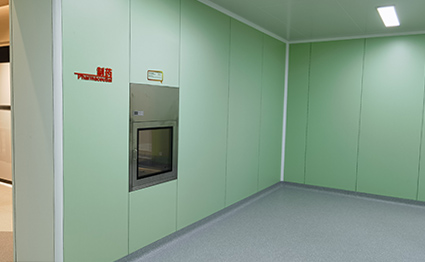
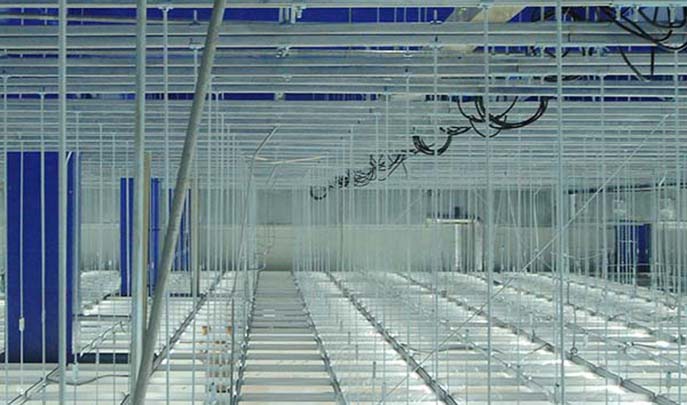
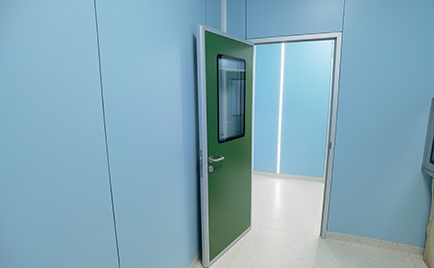
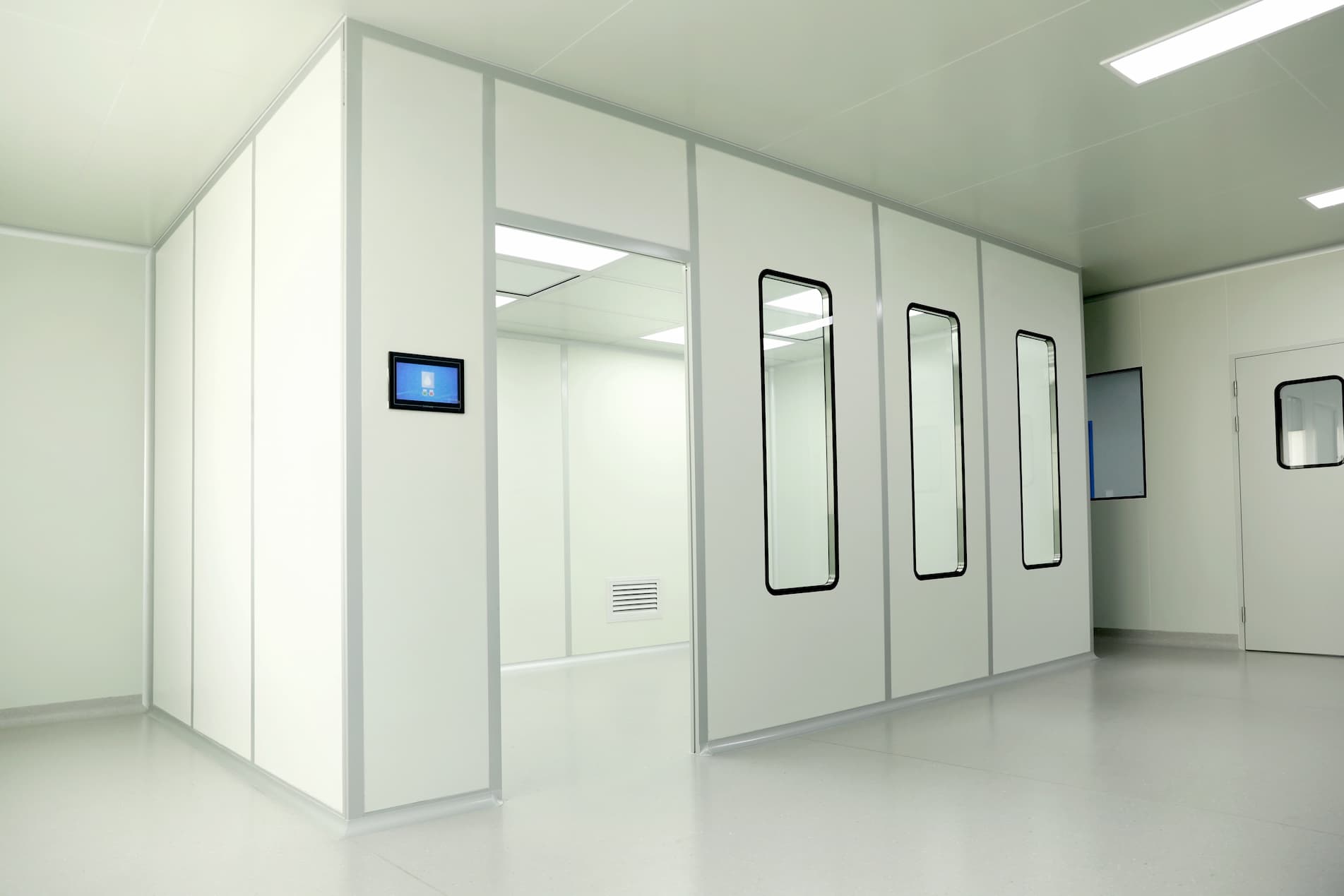
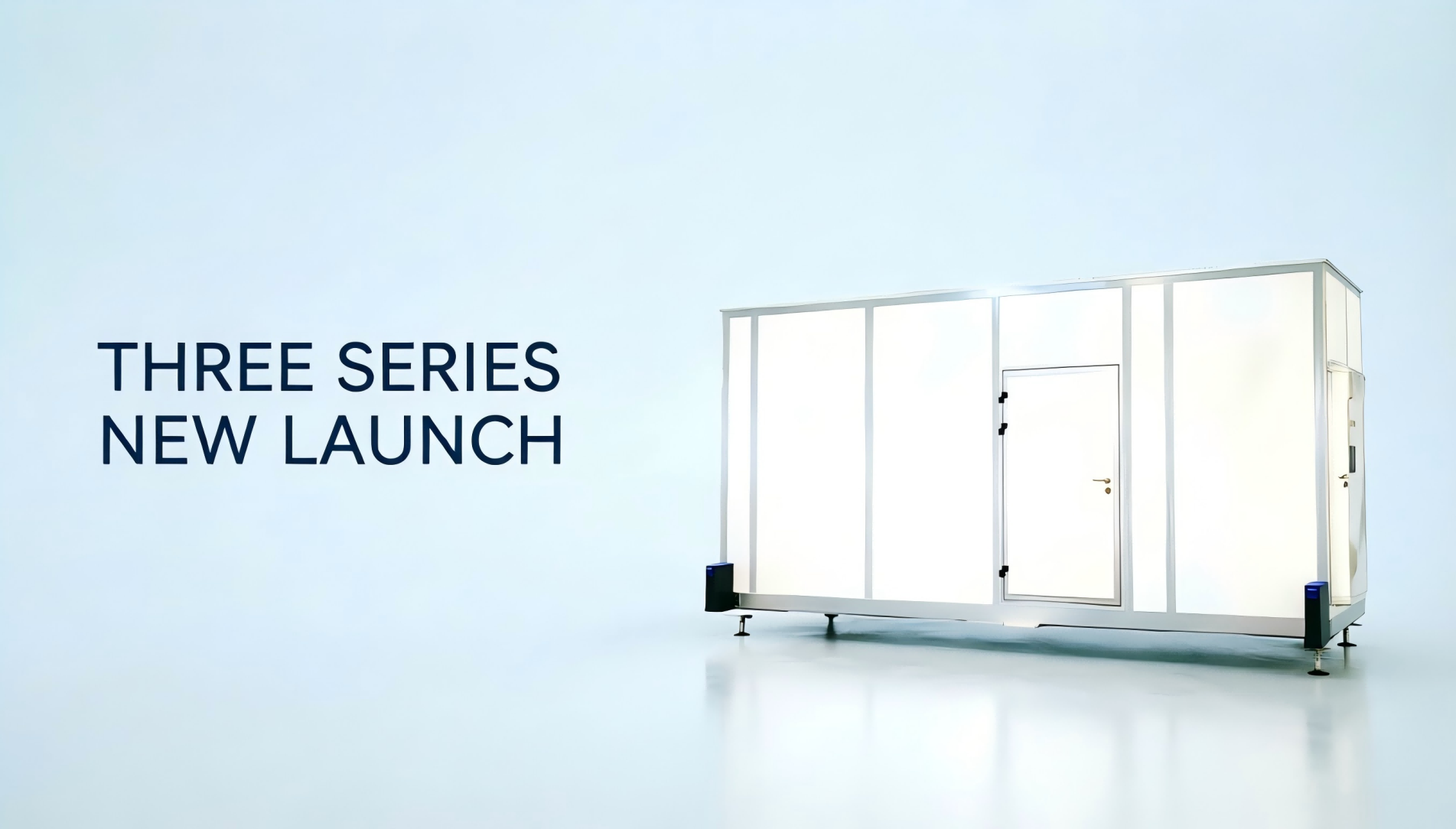
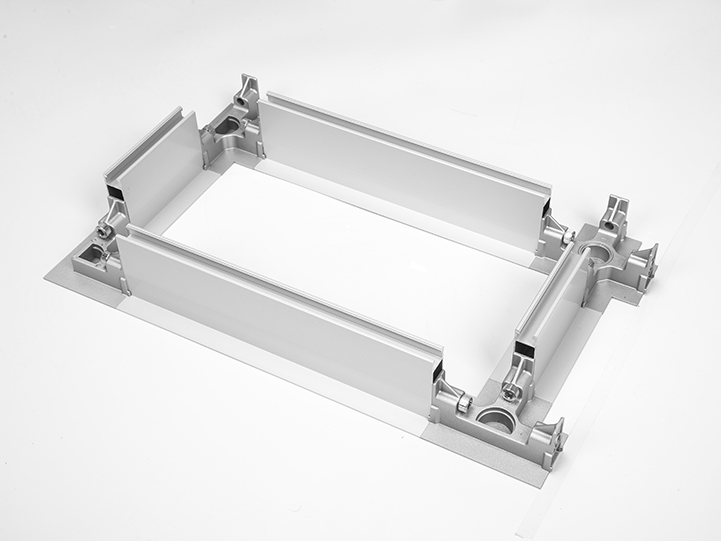
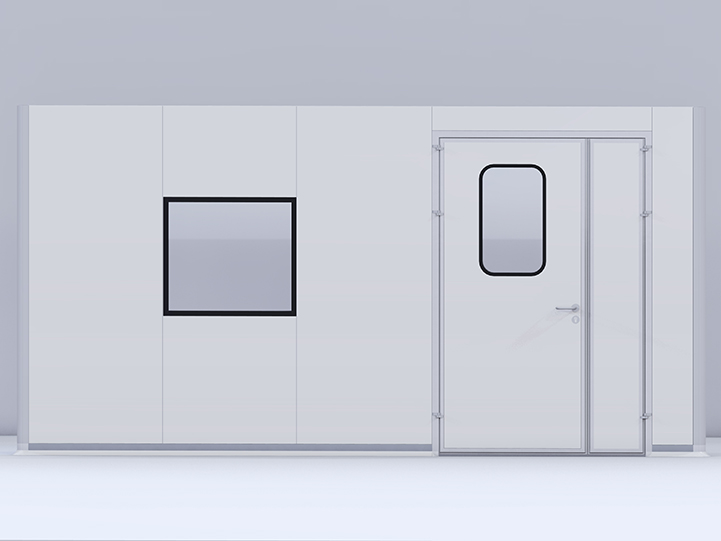
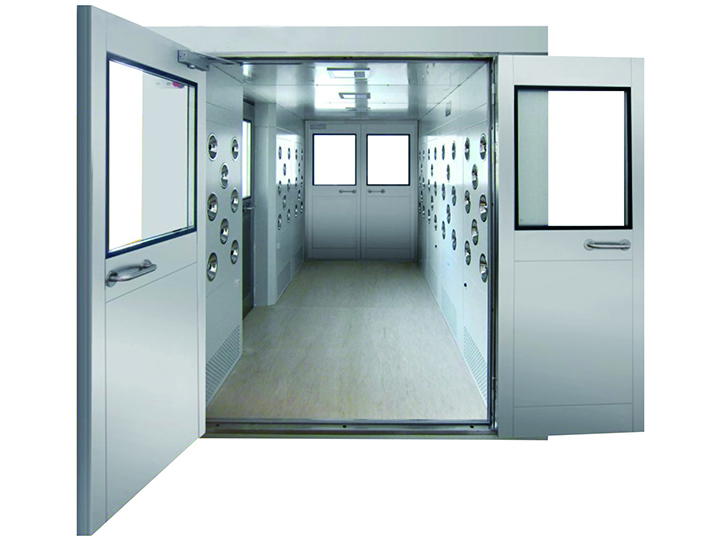
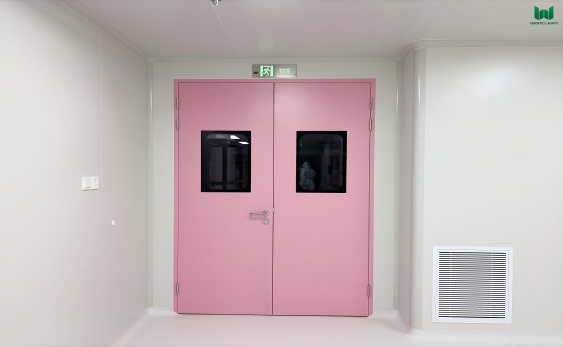
Produk Cleanroom: Grid Siling FFU Ã Sandwich Panel 、 Clean Room Door & Window、 Air Shower、 Pass Cover Weighing ETC.Create Kejuruteraan Kualiti dan menyediakan produk yang berkualiti untuk pelanggan.


2026
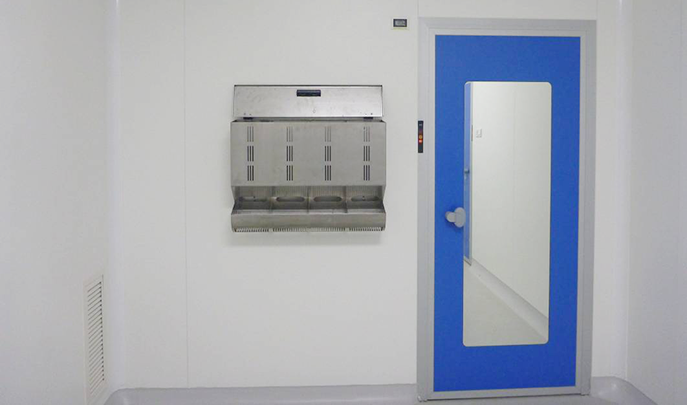
Why Stainless Steel Cleanroom Doors Are the Smart Choice for Modern Labs Superior Performance: Built to Withstand the Demands of a Clean Environment When selecting a door for a critical environment like a cleanroom or modular lab, the material is not just a detail—it’s a foundational decision. Stainless steel cleanroom doors stand apart from traditional materials like painted carbon steel, aluminum, or plastic-clad options. The inherent properties of high-grade stainless steel—exceptional corrosion resistance, structural rigidity, and a non-porous, non-shedding surface—make it the definitive choice for maintaining integrity. Unlike other materials that can degrade, chip, or harbor contaminants, stainless steel provides a durable, chemically resistant, and easy-to-sanitize barrier that protects your controlled environment year after year. Key Advantages: The Tangible Benefits of Choosing Steel Switching to stainless steel delivers clear operational advantages. Its superior durability resists corrosion, warping, and damage from harsh cleaning agents, ensuring a long service life. The material's strength allows for a perfect, lasting seal that is critical for maintaining cleanroom pressure differentials and preventing contamination. Furthermore, its non-porous, smooth surface is inherently hygienic, preventing particle accumulation and enabling fast, effective sterilization to meet strict compliance standards. The Critical Role in Your Cleanroom System A door is more than an entryway; in a cleanroom, it is an active component of the contamination control strategy. A stainless steel door acts as a reliable, impermeable barrier. It supports the cleanroom's airflow patterns by maintaining a proper seal, prevents the ingress of particulate and microbial contaminants from adjacent spaces, and withstands the rigorous cleaning protocols essential for ISO and GMP compliance. Choosing a high-quality stainless steel door is an investment in the reliability and certification of your entire controlled environment. For robust, hygienic, and reliable stainless steel cleanroom doors and modular room solutions, contact WONCLEAN for a consultation.
2026
SPF Animal Facility vs Standard Lab: Not Just "Cleaner", but a "Qualitative Difference" Fundamental Difference: From Routine Cleaning to Precise Barrier Control Standard laboratories focus on daily cleanliness and basic safety, while SPF (Specific Pathogen Free) animal facilities build a complete biosafety barrier system. The core goal is to eliminate interference from specific pathogens, ensuring the scientific validity and reliability of animal experiment data. This requires not only efficient air filtration and precise environmental control but also strictly zoned personnel and material purification processes. This provides a pure, traceable animal model foundation for cutting-edge research such as innovative drug development and biologics evaluation. Technological Core: The Integrated Advantage of Modular Clean Systems Achieving a stable and reliable SPF environment hinges on the systematic integration of modular cleanroom technology: 1. Envelope System: Cleanroom panels with excellent airtightness form the physical barrier. 2. Pressure & Airflow System: Intelligent controls maintain directional pressure differentials, ensuring airflow from clean to less clean areas. 3. Environmental Support System: Independently controlled temperature, humidity, ventilation, and lighting modules. 4. Sterilization & Transfer System: Double-door autoclaves, pass-through chambers, etc., enable safe material transfer. These systems can be flexibly configured and expanded like building blocks, meeting validation requirements while facilitating future upgrades, providing sustainable clean environment support for long-term research needs. Core Value: Dual Assurance for High-Quality Research & International Compliance With increasingly stringent GLP standards and international publication requirements, a compliant SPF facility has become essential for high-level research. It is not only an embodiment of laboratory animal welfare and ethics but also the cornerstone for ensuring experimental reproducibility, data traceability, and result certification. Investing in a professional SPF animal facility means building reliable infrastructure to support global recognition of research outcomes and smooth drug regulatory submissions. If you are planning to build or upgrade an SPF-level animal facility or modular cleanroom lab, WONCLEAN offers professional solutions from design consultation to integration. We welcome your inquiry.
Baca Lagi2026
Beyond the Price Tag: Unveiling the Real Value of a WONCLEAN Class 1000 Cleanroom When evaluating a Class 1000 (ISO 6) cleanroom, the initial investment is just one line item. The true cost encompasses long-term operational stability, energy efficiency, and the flexibility to adapt to future needs. At WONCLEAN, we engineer modular cleanrooms that deliver exceptional value over their entire lifecycle. A quality build isn't an expense; it's a strategic investment in uninterrupted production and product integrity. Let's explore how our design philosophy translates into tangible cost advantages. Precision Engineering for Predictable & Lower Operational Costs The largest portion of a cleanroom's lifetime cost is its operation, primarily energy consumption. A poorly sealed room with inefficient airflow forces the HVAC system to work overtime to maintain the stringent ISO 6 standard (≤ 352,000 particles ≥0.5μm per m³). WONCLEAN's solution starts with superior materials. Our modular panels, available in durable color steel composite or anti-corrosive HPL boards, ensure exceptional airtightness. Combined with our optimized airflow design, this minimizes energy waste, keeping your power bills predictable and low. This precision engineering is the foundation of a stable and cost-effective operational environment. Modular Durability: Reducing Lifetime Costs Through Adaptability A cleanroom is a long-term asset. Choosing a flimsy structure can lead to frequent maintenance, contamination breaches, and costly downtime. WONCLEAN's Class 1000 cleanrooms are built to last. We use industrial-grade components—from galvanized steel frames and aluminum alloy FFU grids to robust cleanroom doors with hermetic seals. More importantly, our modular design is a key cost-saving feature. It allows for effortless future expansion, reconfiguration, or even relocation, protecting your initial investment from obsolescence. This adaptability eliminates the need for a complete rebuild as your process evolves, delivering unparalleled long-term value. Integrated, High-Performance Systems: The Turnkey Advantage Hidden costs often arise from integrating disparate subsystems. WONCLEAN provides fully integrated, turnkey solutions. Every component, from the FFU (Fan Filter Unit) with variable frequency drives for precise airflow control, to the lighting systems that seamlessly fit into the FFU grid, and our intelligent control system that monitors pressure and environment, is designed to work in perfect harmony. This ensures consistent, reliable performance that meets the rigorous Class 1000 standard without gaps or compatibility issues, saving you from future integration headaches and performance-related losses. Choosing WONCLEAN means investing in a Class 1000 cleanroom where superior engineering defines lasting value, minimizing your total cost of ownership. If you have procurement needs, welcome to contact us WONCLEAN.
Baca Lagi2026
Wonclean’s Advanced Air Shower – Your Gateway to a Flawless Cleanroom Environment In the world of high-tech manufacturing, pharmaceuticals, and life sciences, even a single dust particle can compromise an entire batch of products or a critical experiment. The entrance to your cleanroom is the frontline of defense against contamination. Wonclean’s state-of-the-art Air Shower systems are engineered to be that impenetrable barrier, ensuring that only clean air and purified personnel/items pass through, safeguarding your production integrity and research outcomes. Superior Decontamination Performance: The Core of Our Design At the heart of Wonclean’s Air Shower is an efficient multi-stage filtration and high-velocity air circulation system. High-static pressure fans generate powerful, focused airstreams at speeds of 22-26 m/s, which are ejected through 360° adjustable stainless steel nozzles. This “air knife” effect meticulously blows away particulate matter from all angles on personnel and goods. The contaminated air is then captured by primary and HEPA filters (with an efficiency of ≥99.99% for particles ≥0.3µm) and recirculated, creating a closed-loop, highly effective purification cycle. Unlike simple air blowers, our system is designed for maximum particle removal efficiency, directly impacting your cleanroom’s ISO class compliance. Intelligent Control & Robust Construction for Unmatched Reliability Wonclean Air Showers are more than just a steel box with fans. We integrate smart features for ease of use, safety, and durability. The systems feature microprocessor control panels with true-color LCD displays for real-time monitoring and adjustable shower timers (0-99 seconds). A critical electronic door interlock ensures both doors cannot open simultaneously, acting as a reliable airlock to prevent cross-contamination. Built with options for high-quality powder-coated steel or full SUS304 stainless steel, our Air Showers are designed for longevity and easy maintenance in demanding environments, supporting a wide range of door types (manual, automatic, roller shutter) to suit any workflow. Tailored Solutions: Modular Design Meets Diverse Application Needs We understand that no two facilities are identical. Wonclean excels in providing customized solutions. Our Air Showers come in various standard sizes (like AS081520, AS082020 series) to accommodate 2 to 6 personnel, and are fully customizable. More importantly, they feature a modular design, allowing for easy on-site expansion, installation, and future reconfiguration. This flexibility makes our Air Showers the ideal choice for industries ranging from semiconductor and electronics to biotechnology, pharmaceuticals, and aerospace, providing a perfect fit for both new builds and facility upgrades. Upgrade your contamination control protocol with Wonclean’s precision-engineered Air Shower systems.If you have procurement needs, welcome to contact us WONCLEAN....
Baca Lagi









































 Room JT30151, Building 4, Area B, No. 925 Yecheng Road, Industrial Zone, Shanghai,China
 info@wonclean.com
Allen@wonclean.com
Joy@wonclean.com
info@wonclean.com
Allen@wonclean.com
Joy@wonclean.com


 perkhidmatan dalam talian
 info@wonclean.com Allen@wonclean.comJoy@wonclean.com
 +8613671979988(Allen)
+86 15950938878(Joy)
+8613671979988(Allen)
+86 15950938878(Joy)