





What Are the 2026 GMP and ISO Cleanroom Standards? A Complete Business Guide to Advanced Sterile Partitions and Airflow Systems
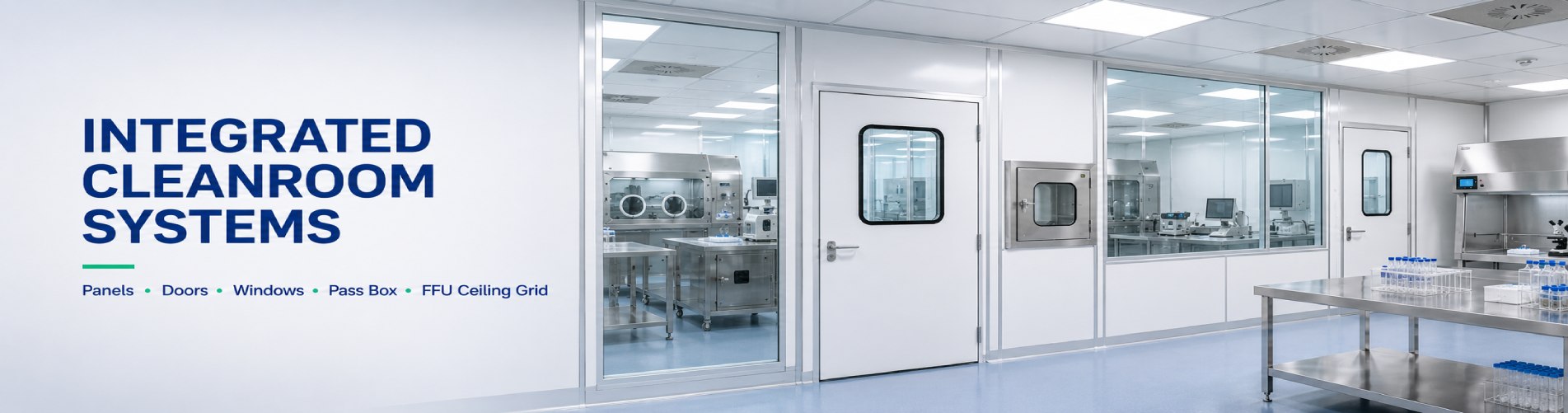
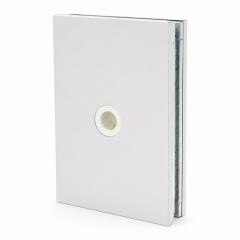
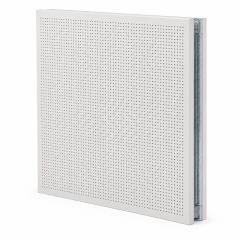
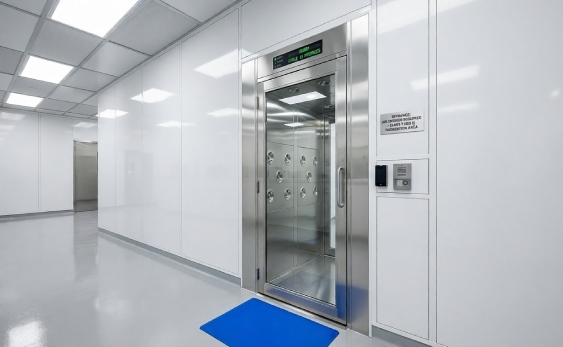
As global micro-contamination regulations tighten in 2026, building a compliant manufacturing facility requires a deep understanding of updated ISO and GMP metrics. Achieving strict environmental control starts at the personnel entrance, where an advanced air shower removes surface particulates before operators enter the sterile zone. Inside the critical area, maintaining a constant positive pressure demands an airtight envelope, typically achieved by suspending a high-load aluminium ceiling grid securely anchored by a heavy-duty aluminum profile framework. To prevent cross-contamination between different biological grades, facility engineers must install a rigid flush-surface cleanroom partition layout. Finally, executing a project with zero validation failures means partnering with an experienced source cleanroom supplier capable of delivering customized, pre-certified structural components that meet severe 2026 energy and sterility requirements.
Why Do 2026 GMP Annex 1 Guidelines Require Hardwall Cleanroom Partitions Over Softwall Solutions?
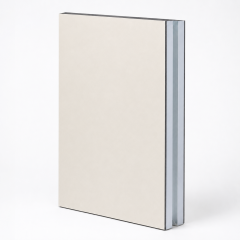
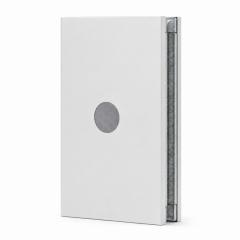
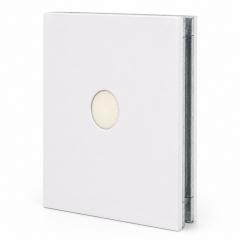
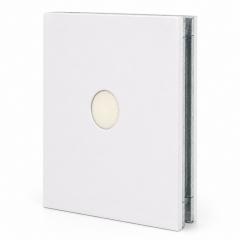
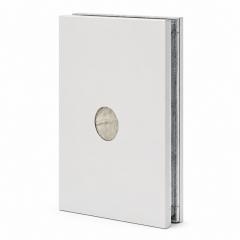
The latest commercial biotech and pharmaceutical audits focus heavily on facility sanitization cycles. Softwall PVC curtains fail to withstand the frequent application of Vaporized Hydrogen Peroxide (VHP) and high-concentration sporicidal agents. Rigid sandwich panel systems feature smooth, non-porous steel or melamine resin surfaces that eliminate micro-crevices where bacteria typically hide. Furthermore, hard structural barriers are the only proven method to maintain the strict 10 to 15 Pascals differential pressure cascading steps required between adjacent clean zones, ensuring that airborne contaminants never flow backward into critical aseptic processing lines.
Which Structural Specifications Control Airflow Leaks in Modern Aluminium Ceiling Systems?
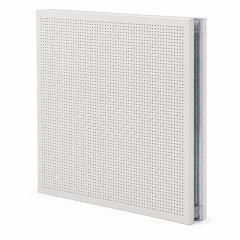
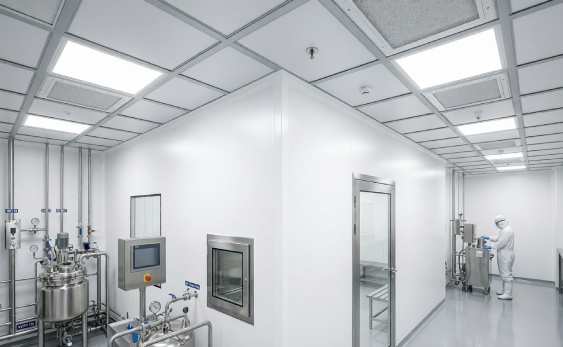
Ceiling integrity dictates the entire aerodynamic efficiency of a sterile environment. Traditional overlapping ceiling boards are being rapidly phased out in favor of modular heavy-duty grid frameworks. These advanced systems utilize dry gasket or liquid gel-seal channels that lock primary fan filter units and blank panels perfectly in place. By utilizing a continuous, structural joint configuration, plant managers prevent microscopic air bypass leaks in the plenum above. This creates a true laminar downward flow at velocities between 0.36 and 0.54 meters per second, sweeping particles away from sensitive product exposure areas.
What Are the Optimal Cleanroom Environmental Parameters for Semiconductor and Biotech Hubs?
Evaluating the performance of your controlled environment requires tracking four primary metrics. Air changes per hour (ACH) dictate how quickly a room scrubs itself of contaminants, while precise temperature and humidity controls prevent product degradation and electrostatic discharge (ESD) events. Analyzing these baseline figures helps investors calculate operational utility costs accurately.
| ISO Classification | Air Changes Per Hour (ACH) | Standard Temperature | Relative Humidity (RH) |
|---|---|---|---|
| ISO Class 5 (Class 100) | 240 - 480 | 22°C ± 1°C | 45% ± 5% |
| ISO Class 7 (Class 10,000) | 60 - 90 | 22°C ± 2°C | 50% ± 10% |
| ISO Class 8 (Class 100,000) | 15 - 30 | 22°C ± 3°C | 50% ± 10% |


 perkhidmatan dalam talian

