





What Is FFU? How the 2026 Automated Fan Filter Unit Innovations Overhaul Airflow Efficiency Standards in Semiconductor and Biotech Hubs
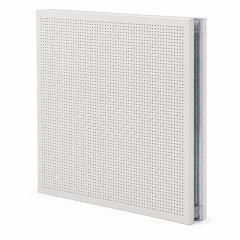
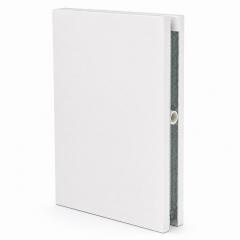
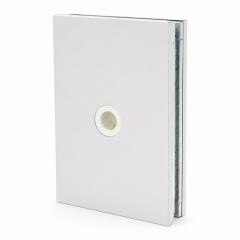
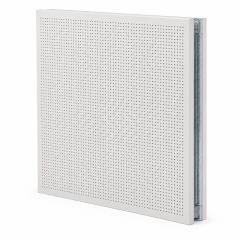
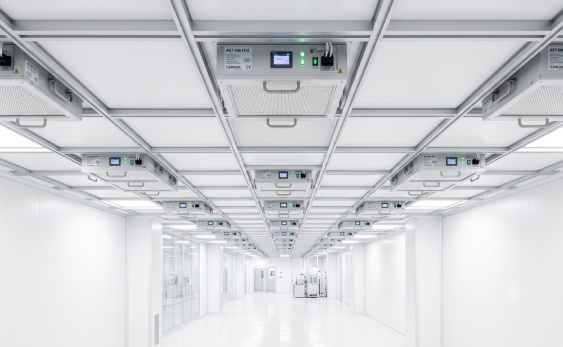
What is ffu and why does its mechanical motor configuration dictate the strict environmental qualification of an industrial sterile sector in 2026? As global micro-contamination metrics tighten, maintaining constant positive pressure requires upgrading legacy passive ventilation layouts to active, smart mechanical systems. Engineering an airtight facility requires pairing your structural cleanroom ceiling panel tracking arrays with an integrated Cleanroom FFU Ceiling Grid System to continuously scrub down suspended particulates. Deploying these units alongside a high-durability cleanroom wall panel layout guarantees complete spatial airflow isolation, preventing air stagnation or cross-zone biological contamination leaks. Procurement managers must analyze technical output parameters with an experienced cleanroom supplier to integrate electronically commutated motor setups that satisfy severe 2026 energy consumption restrictions worldwide.
Why Are Advanced EC Motors Replacing Standard AC Systems in Modern Ventilation Layouts This Year?
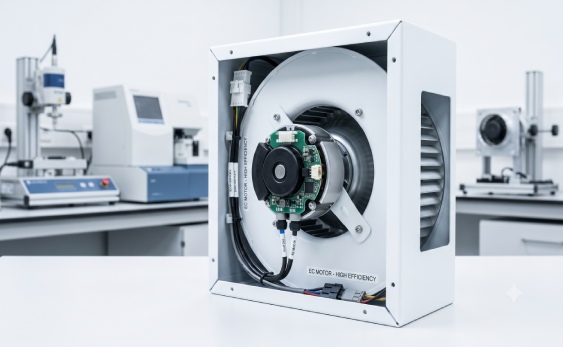
The current 2026 facility operational metrics show a massive transition toward smart active filtration components. Traditional alternating current (AC) fan induction systems struggle with high heat generation and fixed speed constraints, which rapidly wears down primary air filters. Modern electronically commutated (EC) motorized blocks allows facility managers to adjust internal wheel velocities digitally between 0 and 100%, adjusting dynamically to filter loading pressure resistance while lowering localized mechanical utility power draws by up to 35%.
Which Filtration Efficiency Classes Control Micro-Particulate Environmental Tracking?
Evaluating active mechanical performance requires auditing the internal fine fiber media composition. High-efficiency particulate air (HEPA) configurations capturing 99.97% of tiny 0.3-micron particles satisfy basic pharmaceutical filling lanes, but ultra-low penetration air (ULPA) grades reaching 99.999% efficiency at 0.1 microns are necessary to protect sensitive silicon wafer tracks, maintaining constant room status levels securely between 0 and 35,000 counts per cubic meter.
| Filter Unit Grade | Efficiency Rating Metrics | Optimal Air Velocity Output | Primary Micro-Particle Target Focus |
|---|---|---|---|
| H14 Certified HEPA | 99.995% at 0.3 Microns | 0.45 Meters Per Second | Aseptic Pharmaceutical Airlocks & Labs |
| U15 Certified ULPA | 99.9995% at 0.12 Microns | 0.35 Meters Per Second | Advanced Sub-Nanometer Semiconductor Fabs |
| Standard G4 Pre-Filter | 90% arrestance of coarse dust | 1.20 Meters Per Second | Primary Intake Coarse Particulate Catching |
How Do Integrated Mini-Pleat Frameworks Prevent Severe Internal Pressure Drop Scenarios?
Airflow testing configurations confirm that structural filter drop hazards happen mostly when heavy particulate buildup restricts the internal media grid areas. Utilizing innovative premium mini-pleat fiberglass media designs maximizes the total functional filtering area inside the matching metal enclosure. This expanded surface layout lowers internal face resistance parameters, ensuring quiet laminar airflow across internal manufacturing spaces while safely keeping differential window pressure indicators stable between 0 and 60 Pascals.


 perkhidmatan dalam talian

